Cathodic Protection
ZINGA's high zinc content enables sacrificial protection of suitably connected steel. A conventional epoxy barrier does not provide this mechanism unless the specified system incorporates a suitable zinc-rich component.


Two different approaches to protecting steel. Understand the difference between zinc-based cathodic protection and epoxy's protective coating barrier.
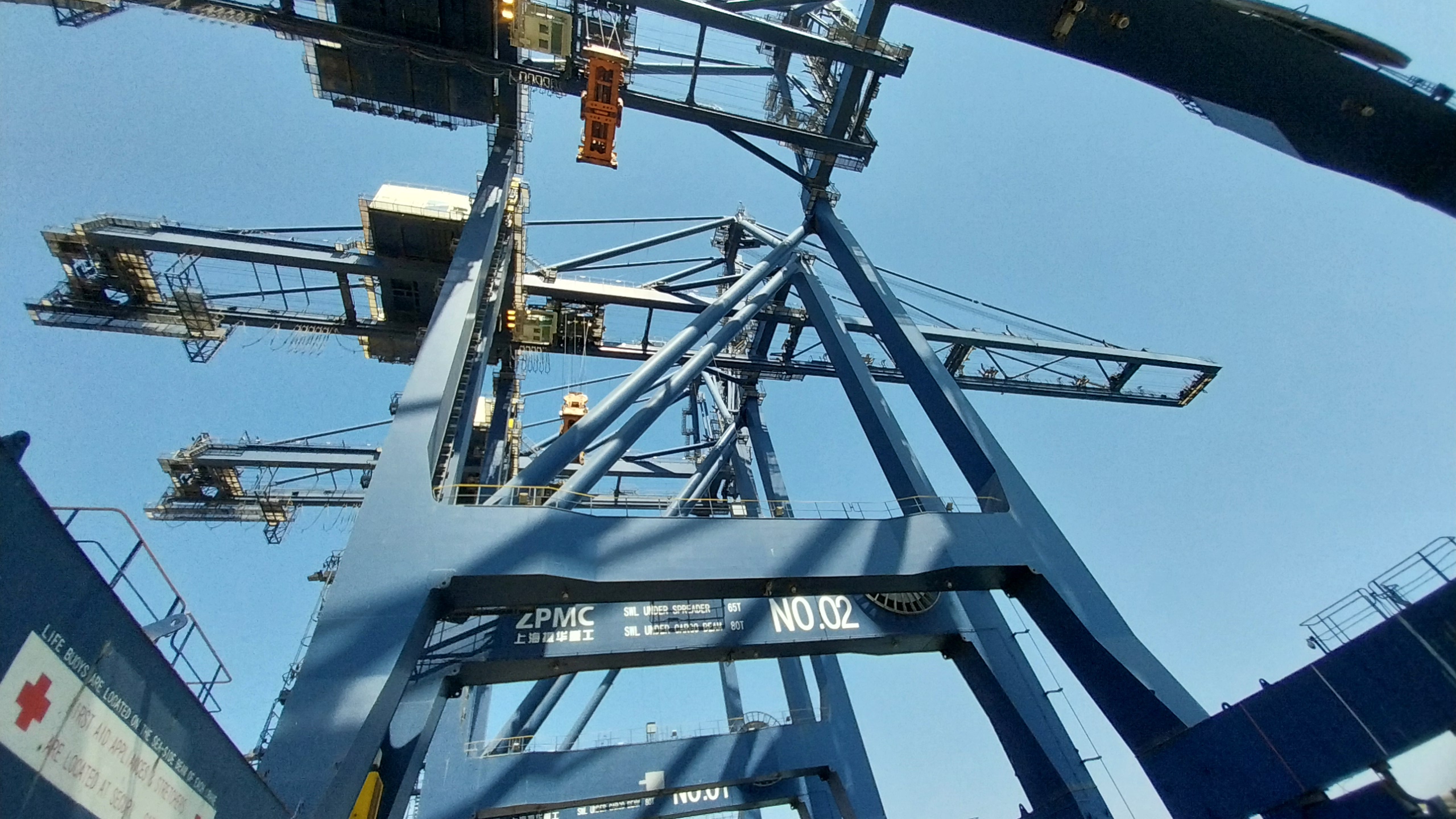
ZINGA is an organic zinc-rich coating containing 96% zinc in its dry film. It is designed to provide cathodic protection alongside barrier protection.
Epoxy coatings are commonly used to form a strong, adherent barrier against moisture and corrosive substances. Some epoxy systems also include zinc-rich primers, so performance depends on the complete coating specification.
Compare the protection mechanism, application options and system considerations before selecting a coating for your steel assets.
| Feature | ZINGA Zinc-rich film galvanising | Epoxy Coatings Protective resin-based systems |
|---|---|---|
| Primary protection | Barrier protection and cathodic protection. | Primarily barrier protection in conventional epoxy systems. |
| Dry-film composition | 96% zinc by weight in the dry film. | Varies by resin, pigment, filler and formulation. |
| Protection mechanism | Zinc can act sacrificially to protect electrically connected steel. | Forms a protective film that limits exposure to corrosive agents. |
| Coating system | Can be used as a standalone system or as a primer in a compatible duplex system. | May be used as a primer, intermediate coat or complete specified system. |
| Application methods | Brush, roller or spray, following product instructions. | Depends on the epoxy formulation and equipment requirements. |
| Overcoating | Compatible topcoats can be used when the system is properly specified. | Compatible primers, intermediate coats and topcoats can form a multi-layer system. |
| Repair and maintenance | Local repairs may be possible using an approved preparation and repair procedure. | Repair depends on the epoxy system, damage and required surface preparation. |
| Key selection factor | Useful where zinc-based cathodic protection is required by the specification. | Useful where the specified epoxy system meets the project's barrier, chemical or mechanical requirements. |
Technical note: Not all epoxy coatings are the same. Zinc-rich epoxy primers can provide cathodic protection, while other epoxy formulations are designed primarily for barrier protection. Always compare complete systems, technical data sheets and project requirements rather than product categories alone.
The right choice starts with understanding how each system protects your asset.
ZINGA's high zinc content enables sacrificial protection of suitably connected steel. A conventional epoxy barrier does not provide this mechanism unless the specified system incorporates a suitable zinc-rich component.
ZINGA can serve as a standalone coating or as an active layer in a compatible duplex system. Epoxy systems can be designed in multiple layers for specific environmental and performance requirements.
Neither coating can compensate for unsuitable surface preparation or poor application. Follow the relevant requirements for cleanliness, surface profile, film thickness, curing and environmental conditions.
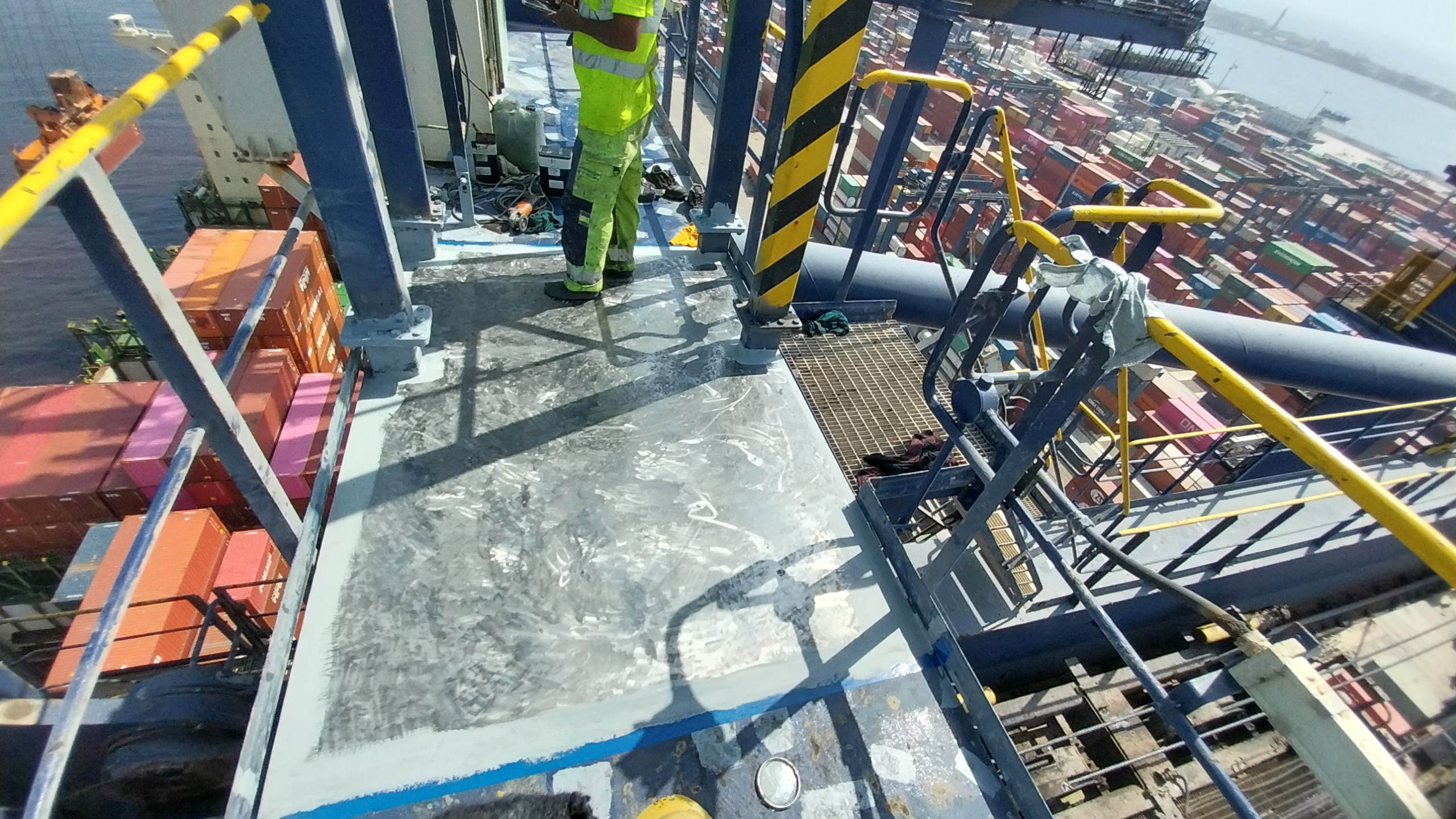
There is no universal winner. The right system depends on the asset, operating environment, required performance and maintenance plan.
Where sacrificial zinc protection is required, assess ZINGA and suitable zinc-rich systems against the project specification.
Account for marine conditions, chemicals, immersion, abrasion, temperature and weathering.
Confirm surface preparation, coating compatibility, film thickness, curing and inspection requirements before application.
Clear answers to common questions about these two corrosion protection approaches.