Cathodic Protection
Zinc can act as a sacrificial material, helping protect electrically connected steel. Ordinary barrier paints do not provide this mechanism unless specifically formulated with a suitable active protective system.


Not all corrosion protection systems work the same way. Discover how ZINGA's zinc-based protection differs from conventional paint and coating systems.
 ZINGA · CORROSION PROTECTION

Conventional paints primarily protect steel by forming a barrier between the metal and its environment. ZINGA is a zinc-rich coating designed to provide both barrier protection and cathodic protection.
The key differences at a glance. Actual performance depends on the product, coating specification, surface preparation, application and service environment.
| Feature | ZINGAZinc-rich coating system | Conventional PaintTypical barrier coating |
|---|---|---|
| Primary protection | ✓ | ✕ |
| Zinc content | ✓ | ✕ |
| Protection mechanism | ✓ | ✕ |
| Repair strategy | ✓ | ✕ |
| System options | ✓ | ✕ |
| Application | ✓ | ✓ |
| Maintenance | ✓ | ✓ |
Note: This is a general comparison, not a guarantee that ZINGA outperforms every competing product in every condition. Zinc-rich primers and other specialist systems can also provide cathodic protection. Consult the relevant technical data sheets and project specification before selecting a coating system.
Understand what makes ZINGA's zinc-rich technology distinct when protecting steel infrastructure and industrial assets.
Zinc can act as a sacrificial material, helping protect electrically connected steel. Ordinary barrier paints do not provide this mechanism unless specifically formulated with a suitable active protective system.
ZINGA can be specified as a standalone coating or combined with compatible topcoats in a duplex system. Compatibility, preparation and application must follow the approved coating specification.
Localised repairs may be possible without automatically recoating an entire asset. The repair method and extent depend on coating condition, corrosion, access and the project maintenance plan.
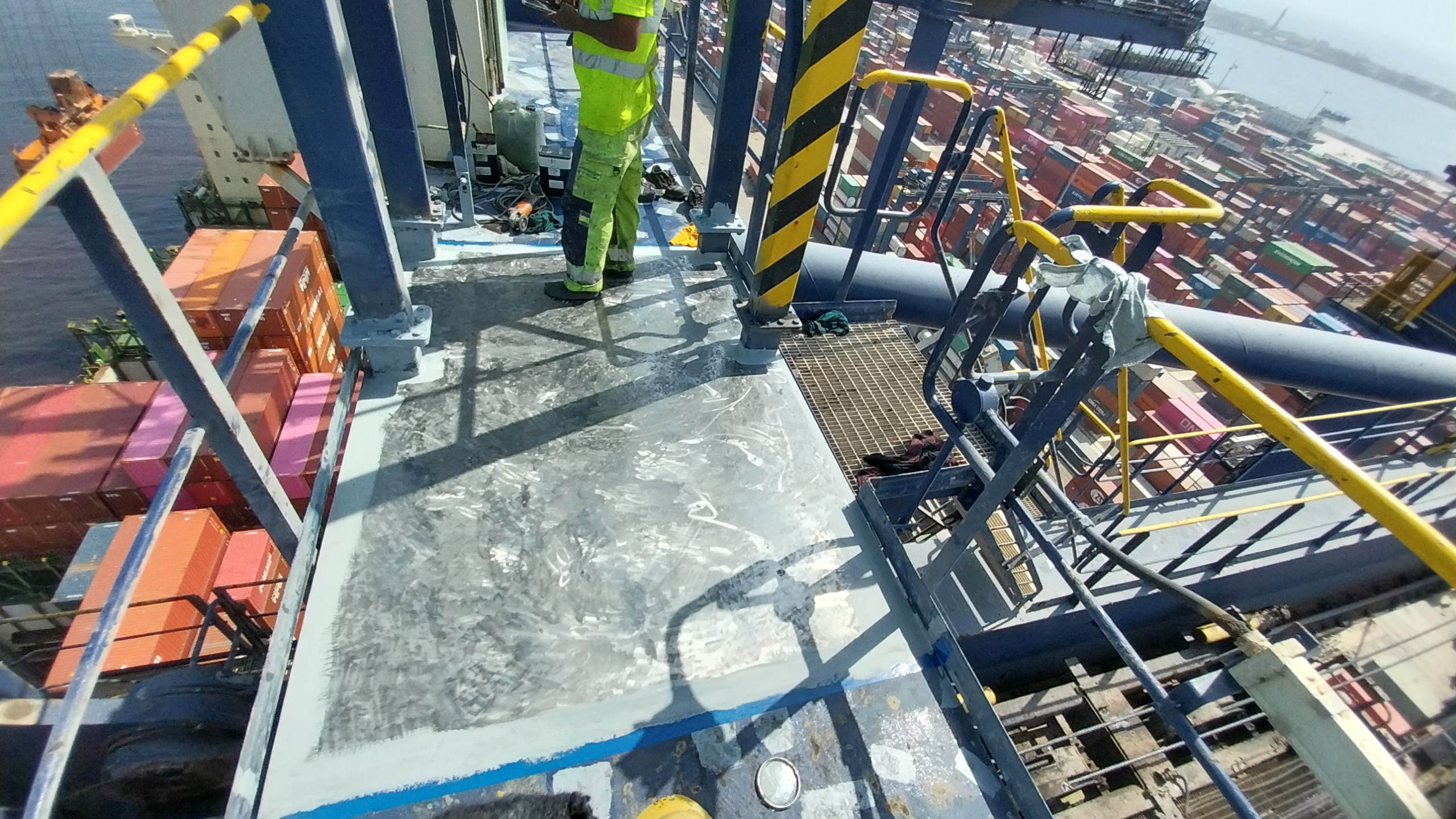
Coating selection should be based on the operating environment, surface condition, required service performance and maintenance strategy, not just the product name.
Consider humidity, salt exposure, chemicals, temperature and mechanical wear.
Correct surface preparation and application conditions are essential to coating performance.
Confirm film thickness, compatibility, inspection requirements and maintenance expectations.
A few straightforward answers to help you compare protection systems.